

Most people associate plumbing emergencies with winter: frozen pipes, boiler breakdowns, burst radiators. Summer tends to get a pass. But the warmer months bring their own set of plumbing problems, many of which go unnoticed until they’ve already done damage. And with the end of May bringing an unexpected heatwave to the country, you may be seeing the signs already.
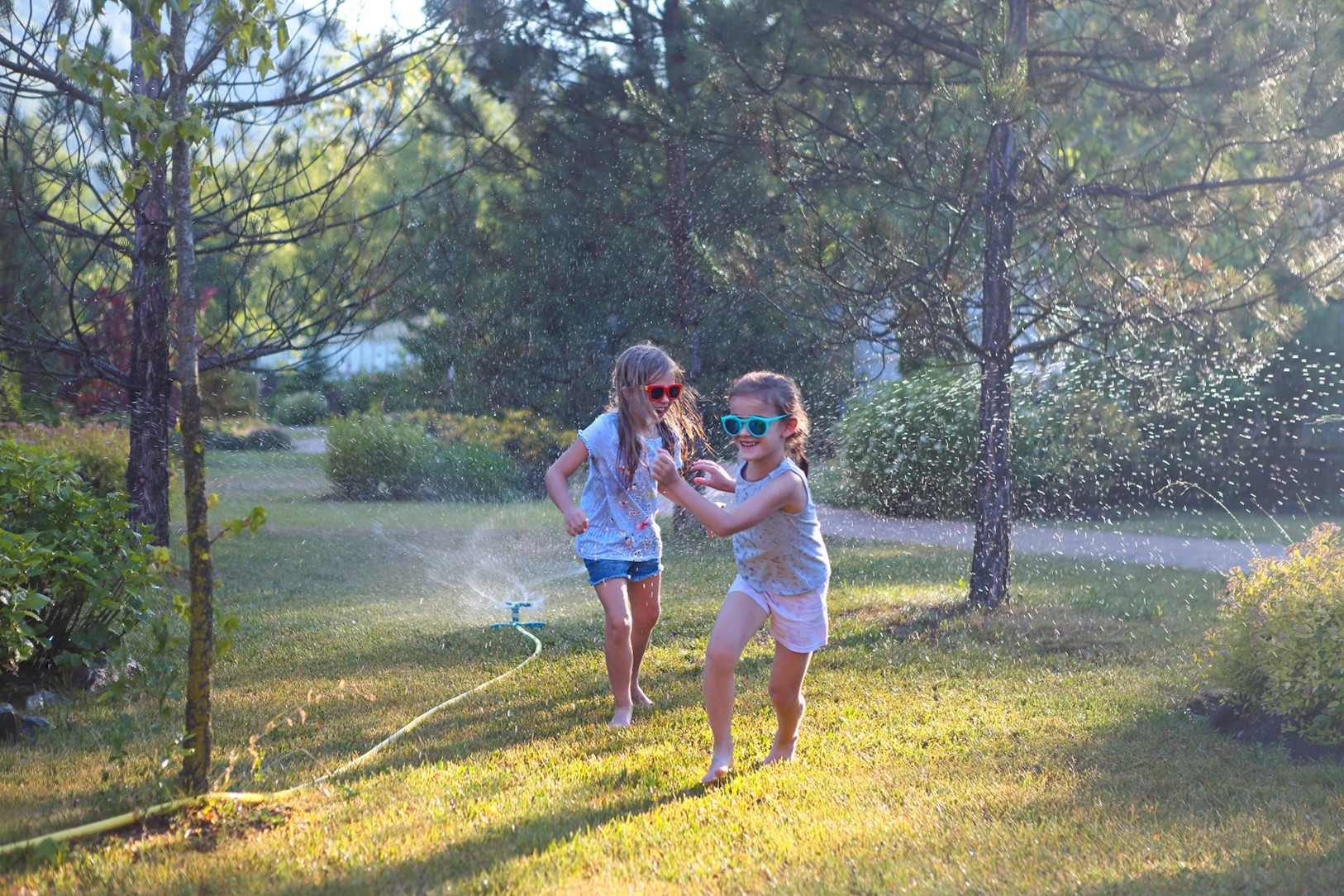
Higher water usage across the board can shine a light on previously hidden issues. Gardens are watered, the washing machine is full of sweaty summer wear, and the kids are home, so your plumbing is strained further. And with heating off for months, issues that would have made themselves known in winter can quietly get worse in the background.
From water pressure to pre-holiday checks, here’s what to look for, and what to do about it.
1. Outdoor taps and garden pipework
Outside taps spend the winter months unused, and that period of inactivity does them no favours. Frost can work its way into the tap body and damage washers or the internal valve. That’s why you so often see a half-hearted drip the first time you turn them back on again in spring.
To rectify this, check the taps, hosepipe connections, and sprinklers for drips both whether in or off, and inspect the connection point where pipes meet exterior walls for any signs of damp or staining. If water is leaking at the tap, it’s usually because of a washer, which is a quick fix, but if it’s leaking behind the wall, that’s a job for a plumber.
2. Slow-draining sinks, baths and showers
Slow drains are one of the most common summer plumbing problems, and the cause is obvious: showers after days out, sand and grit from trips to the beach, extra hair shed during hot weather, kitchen sinks working harder through BBQ season… it all adds up.
A slow-draining shower or bath is usually a partial blockage in the trap or drain cover, rather than anything deeper in the system. Clearing the drain cover of visible debris regularly helps, and a hot water flush or drain unblocker (available and affordable at most supermarkets) can clear out early-stage build-up.
If multiple drains are slow at the same time, that points to a blockage further down the line, which is when a professional should come and take a look.
Kitchen sinks are particularly prone to grease build-up in summer. Fats from cooking and BBQ cleaning cool quickly in the pipe and accumulate over time. Run hot water after washing up, and never pour cooking fats down the pipe.
3. Dripping taps and running toilets
A dripping tap is easy to ignore. It’s not an emergency, and it causes no visible damage. But over the course of a summer, it can actually waste thousands of litres of water, which will show up on your water bill if you’re metered.
The same goes for a running toilet. If you can hear water trickling into the bowl long after flushing, or the cistern seems to refill when it hasn’t been used, the flush valve or ball float is probably worn. This is a relatively simple repair that will save you much more money than it costs.
4. Low water pressure
Water pressure might get lower during hot spells when demand across the local water supply increases. If the whole street is watering gardens and filling paddling pools, there’s simply more competition on the network. That’s why there are hosepipe bans in droughts. Simple water-saving habits can also make hot spells easier; on your plumbing, your local area, and on your wallet.
That said, low pressure in just one part of the house, or pressure that seems to get progressively worse, is probably a problem with your plumbing, not the grid. It might be a sign of a hidden leak reducing flow, or limescale build-up in the pipework. A plumbing inspection can get to the bottom of it. It could also simply be that the stop tap has been left half closed, which is surprisingly common and something you can easily adjust yourself.
5. Hidden leaks around the home
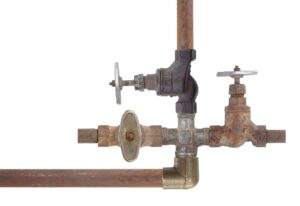
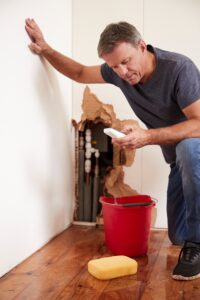
A small drip behind a kitchen unit or bathroom cabinet might not be enough to cause an obvious problem for months, but over time it damages flooring, encourages mould, and can affect the structural integrity of a wall. Water damage is one of the most common home insurance claims, accounting for £1.8 million in insurer payouts a day. Hidden leaks are a major contributor.
Pull open the cupboard under any applicable sinks and look for damp patches, staining, or swelling in the chipboard base. Check around the base of toilets and under bathroom cabinets, and the ceiling below any upstairs bathrooms. If you notice bubbling paint, a musty smell, or an unexplained increase in your water bill, then water is getting somewhere it shouldn’t.
Underground pipes can also develop cracks over summer. Most commonly, this is after a dry period when the soil contracts, and then gets hit with heavy rainfall. Unusually wet patches in the garden, or grass that’s greener in one particular strip, can indicate a leak in an underground pipe below.
If you’re seeing any of these signs and aren’t sure what’s causing them, our experienced local team is always happy to take a look. You can find out more about our plumbing services or get in touch to arrange a visit.
6. Shower and bathroom plumbing problems
Bathrooms take a battering in summer. More showers and baths create increased steam, which can accelerate corrosion on older fittings and seals, particularly in bathrooms that don’t ventilate well.
And if you live in a hard water area (which you do if you are in or around Bristol), remember to descale your showerheads. Limescale blocks the spray holes over time, and the resulting uneven water flow puts additional back-pressure on the shower valve. A simple soak in descaler (or a replacement showerhead, if it’s seen better days) makes a big difference.
Sealant around baths, showers and basins can also deteriorate. If it’s cracking, peeling away at the edges, or showing black mould that you can’t rub off, it should be replaced before water starts getting behind the tiles or into the floor below.
7. Plumbing checks before going on holiday
Leaving home for a week or two gives problems time to get worse without intervention. A slow drip under the kitchen sink that you’d normally spot in a day or two can cause significant water damage over a fortnight.
Before going away, be sure to do a quick walk-round of everything we’ve covered: check under sinks, around the toilet, and look for any signs of moisture. Know where your stop tap is and make sure it turns freely, or, if you’re going to be away for more than a few days, turn the water off.
Also, check that your washing machine hoses aren’t showing any signs of wear or bulging at the connections. They can fail without warning, and if one goes while you’re away, the resulting water damage can be significant. Replacing old rubber hoses with braided steel ones is a relatively cheap precaution.
When to call a plumber
Some of the checks above are things you can do yourself, but others indicate issues that need a qualified plumber.
Anything involving an underground pipe, a sewer line, persistent low water pressure, or a leak you can hear but not find, should always be dealt with professionally. The same goes for anything near your boiler or hot water cylinder.
Catching plumbing issues in summer, before they develop further or winter adds its own pressures, is always cheaper than dealing with them in an emergency. A straightforward plumbing inspection can find problems that aren’t yet visible, and give you peace of mind as you move through the warmer months and enter into the cooler ones.
To wrap up…
Summer plumbing problems are lower-profile than winter ones, but they’re just as important to deal with. Higher water usage, outdoor plumbing coming back into service, and a couple of weeks away can all expose issues that have been lying dormant.
If you’ve noticed any of the signs covered above, or you’d just like a professional eye on your plumbing system before summer gets underway, our qualified engineers are here to help. We’ve been supporting homes across Bristol, Bath and North Somerset for over 40 years, so get in touch via our contact form or at 0117 924 7200 for a rapid response, or read more about our plumbing services here.